
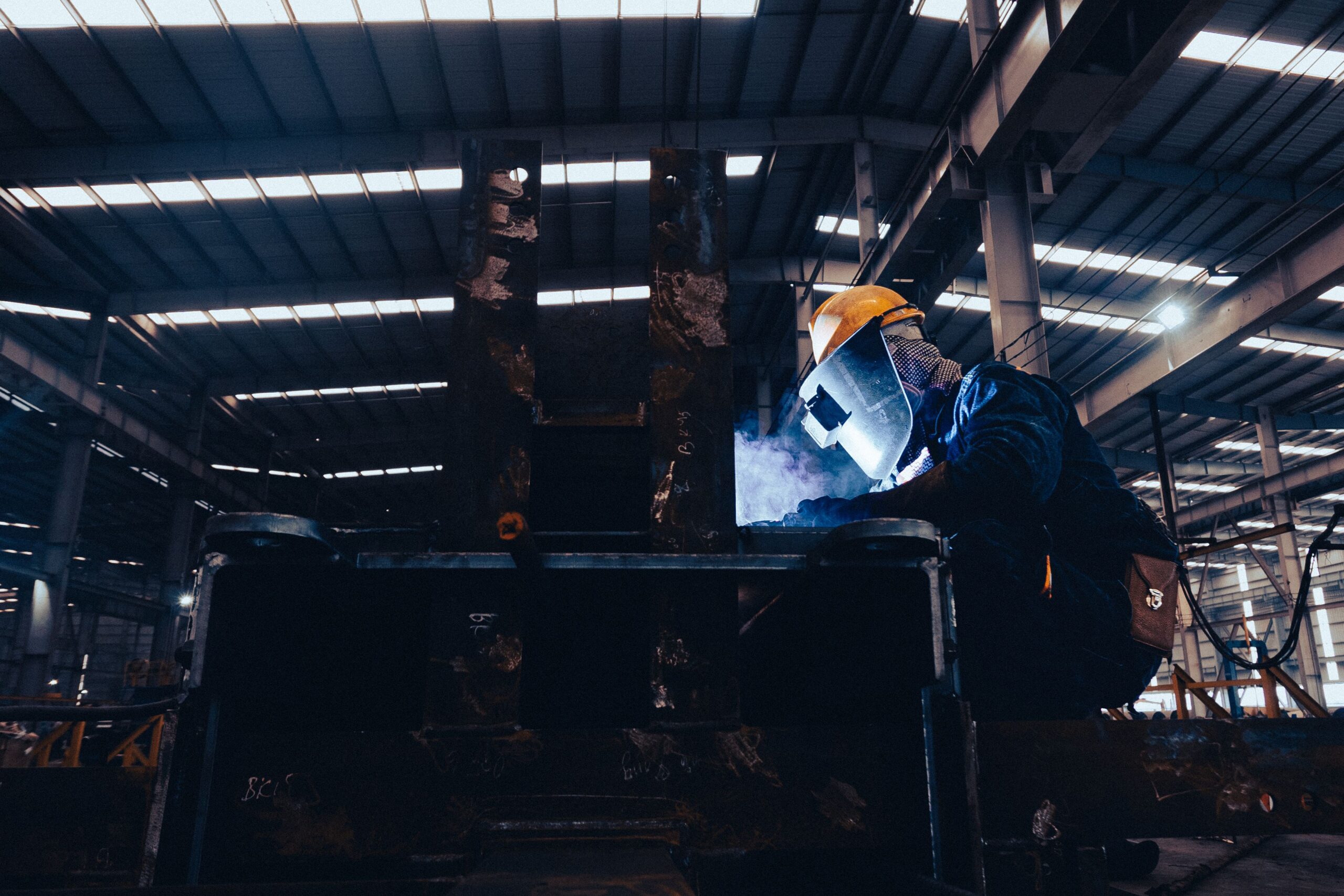
The Complete Welding PPE Checklist for Every Shop
Ask a welder about the worst day they’ve had on the job, and there’s a good chance it involved equipment that didn’t do its job.
Maybe a spark slipped through a loose sleeve. Maybe a glove got too hot during a long stick weld. Maybe someone finished a grinding job with a face full of dust because their eye protection was sitting on the other side of the shop.
Most PPE problems aren’t caused by a lack of equipment. They’re caused by having the wrong equipment for the job, using worn-out gear, or skipping something because the task seems quick.
The right welding PPE clothing doesn’t have to be complicated. You need equipment that matches the process, the material, the heat, and the hazards around you. Here’s a practical look at the welding apparel and protective gear most shops should have on hand, from helmets and gloves to boots and respiratory protection.
Start With the Helmet and Eye Protection
Your helmet is one of the first pieces of welding protective equipment to think about, but it shouldn’t be the only thing protecting your eyes and face.
An auto-darkening welding helmet makes it easier to work across different processes without constantly changing lenses. Make sure the helmet offers the appropriate shade range for the work you’re doing and that the lens is in good condition.
A basic setup should include:
- An auto-darkening welding helmet with the appropriate shade range
- Safety glasses with side shields worn under the helmet
- A face shield for grinding and certain cutting tasks
- Replacement cover lenses when the existing lens becomes scratched, cloudy, or pitted
Safety glasses still matter when you’re wearing a welding helmet. Grinding, chipping, and material handling can send debris in directions you don’t expect. A scratched cover lens can also make it harder to see your work clearly, which is a good reason to replace it instead of working around the problem.
Don’t Use the Same Gloves for Every Process
Welding gloves are another area where one-size-fits-all doesn’t really work.
A heavy leather glove that feels perfectly reasonable while running stick electrodes can make TIG welding frustrating. TIG requires more control and dexterity, so a thinner glove is usually more practical. MIG falls somewhere in between.
Consider keeping several styles available:
- TIG gloves: Lightweight leather or goatskin for better feel and dexterity
- MIG gloves: Medium-weight leather with enough protection for heat and spatter
- Stick welding gloves: Heavier leather with longer cuffs for additional heat and arm coverage
- Cutting gloves: Gloves appropriate for the heat and handling hazards involved in plasma or other cutting work
Having several options available also means welders don’t have to make a bad compromise just because it’s the only glove in the locker.
And don’t forget to inspect gloves regularly. A glove with a hole, badly worn palm, or damaged stitching isn’t doing much to protect the person wearing it.
Choosing the Right Welding Apparel
Flame-resistant clothing is a basic part of a welding PPE program. The right choice depends on the process and the amount of heat, sparks, and spatter involved.
For heavier welding work, a welding jacket or leather sleeves can provide useful protection. In other situations, an FR shirt may be more comfortable while still providing appropriate protection for the task.
Common options include:
- FR welding jackets
- Leather-sleeved jackets
- FR shirts and other appropriate long-sleeve workwear
- Leather aprons for higher-spark applications
- Welding sleeves and bibs when full-body coverage isn’t necessary
Fit matters, too. Loose clothing can create additional hazards around sparks, hot work, and equipment. At the same time, workers need enough room to move comfortably and perform the job without constantly adjusting their clothing.
A shop running heavy stick welding all day may need a very different mix of welding apparel than a shop primarily doing light TIG work. Before buying a large quantity, look at what your welders actually do during a typical shift.
Respiratory and Hearing Protection Matter Too
Welding fumes and shop noise don’t always get the same attention as burns or eye injuries because the effects aren’t necessarily immediate.
That doesn’t make them less important.
Welding fumes can vary considerably depending on the base metal, coatings, consumables, and process. Good ventilation and local exhaust are important parts of controlling exposure. Respiratory protection may also be necessary in certain situations, but the appropriate respirator and filter should be selected based on the actual hazards and your workplace’s respiratory protection program rather than treating one type of mask as a universal solution.
Hearing protection is worth considering around grinders, plasma tables, cutting equipment, and other consistently noisy operations. Earplugs or earmuffs are simple additions to a shop’s safety setup and can make a noticeable difference over time.
Don’t Forget Your Feet and the Smaller Items
Some of the most useful welding safety gear isn’t necessarily the equipment people talk about first.
Leather work boots with appropriate toe protection can help protect against dropped material, sparks, and hot debris. Avoid footwear with exposed mesh or other materials that aren’t appropriate for the work environment.
Other useful items include:
- Welding blankets for protecting nearby surfaces and equipment
- Welding curtains for controlling sparks, UV radiation, and the work area around an arc
- Appropriate head and neck protection for overhead work
- FR hoods or other suitable protection when the job creates an overhead spark hazard
The small stuff tends to get overlooked because it doesn’t seem important until the day it is.
Your PPE Should Match the Welding Process
Different welding and cutting processes create different hazards, so your PPE setup should change with the job.
Mig Welding can produce significant heat and spatter, particularly at higher settings. Appropriate gloves, FR clothing, eye and face protection, and footwear are important.
Stick Welding generally produces more spatter and heat, so heavier gloves and additional arm or body coverage may be appropriate depending on the application.
TIG Welding usually requires more dexterity. A lighter glove can make it easier to control the torch and filler material while still providing appropriate protection.
Plasma Cutting brings its own combination of hazards, including heat, sparks, flying particles, noise, and fumes. Eye and face protection, appropriate gloves and clothing, and effective ventilation or local exhaust all need to be considered.
There isn’t one perfect PPE setup that works for every job in the shop. The better approach is to have the right options available and make the selection based on the work being performed.
Build a PPE Checklist That Works for Your Shop
Putting together a welding PPE clothing program doesn’t need to mean filling a storage room with every product imaginable. Start with the processes your team actually uses and identify the hazards associated with each one.
At a minimum, most welding shops should think through helmets, safety glasses, gloves, FR clothing, footwear, hearing protection, ventilation, respiratory protection where required, and equipment such as welding curtains and blankets.
It’s also worth looking at the condition of the gear already in use. A helmet with a damaged lens, gloves with holes, or worn-out protective clothing should be replaced rather than kept around simply because it technically still exists.
Arc Solutions carries welding helmets, welding gloves, FR welding apparel, and other welding safety gear for a range of shop applications. If you’re putting together a PPE checklist for your crew or replacing worn equipment, our team can help you sort through the options based on the processes you’re actually running.
The goal isn’t to buy the most expensive gear on the shelf. It’s to make sure the person doing the work has the right protection for the job in front of them, and that the gear is comfortable enough and practical enough that they’ll actually wear it.
Back to blog